Ingredient Formats
Private-label powder ingredients for production-scale programs
As a private label beverage powder supplier Malaysia operators choose, Brief & Branch coordinates private-label dry powder ingredients that your team measures and prepares into approved finished products. The program is for operating buyers able to support at least 500 kg per powder flavor, per production order, or with evidence-backed near-term potential to reach that level. It does not supply finished beverages or desserts.
Powder is the format many multi-branch food and beverage brands standardize first. Why do most brands choose powder over syrup as a starting point? It stores at ambient temperature, travels well between locations and gives teams a measurable base for repeatable menu products. This page explains how a commercially qualified powder project is scoped, sampled, approved and supplied.
Supplied product: a dry powder ingredient. Your team prepares the finished beverage, frozen dessert or baked item—we do not sell finished products.
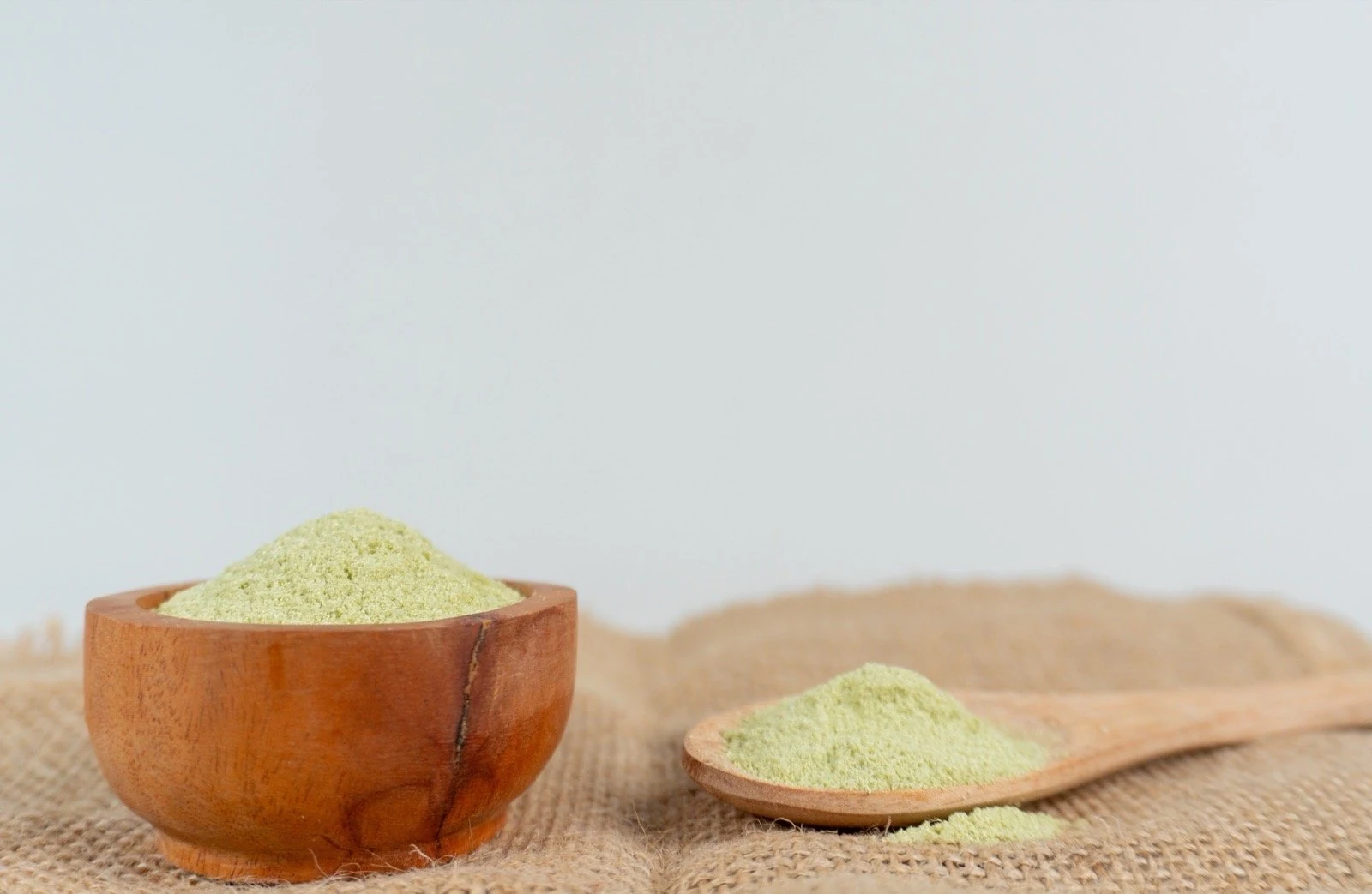
| Product type | Food and beverage ingredient |
|---|---|
| Physical format | Dry powder |
| Intended buyer | Operating business meeting, or evidencing a dated near-term path to, the 500 kg-per-flavor production-order screen |
| Customer use | Prepared by the buyer’s team into an approved finished product |
| Supply form | Bulk or approved private-label packaging, subject to review |
| Not sold as | Finished coffee, drink, frozen dessert or baked item |
Applications
Application categories, not a flavor catalogue
We deliberately do not publish a public flavor list. Flavor direction is defined in your product brief and confirmed after technical review. Powder projects typically fall into these application categories.
Coffee-based
Powder bases prepared with espresso or brewed coffee. Subject to technical review.
Milk-based
Mixed with milk into hot or iced finished products. Subject to technical review.
Chocolate and malt
Chocolate and malt-style bases measured per approved serving. Subject to technical review.
Tea-based
Bases for hot or iced food and beverage applications built on brewed tea. Subject to technical review.
Your Inputs
What we need you to define
A powder specification is only useful if it matches how your operation actually works. Before sampling, we ask you to define five things.
- Preparation method
- How your team will prepare the finished product: equipment, liquid base, mixing steps and order of addition.
- Serving size
- The serving sizes in scope, so the dose weight and measuring format can be defined per serving.
- Target yield
- Expected servings per pack, which drives portioning, cost per serving and reorder frequency.
- Storage
- Storage conditions at the point of use, including handling after a pack is opened and station placement.
- Packaging
- Bulk pack, portioned format or approved private-label packaging. Each option is subject to review.
Development Route
Three ways a qualified powder project can start
Existing formula
You own or are authorized to use a formula or working recipe. We review whether it can be produced, portioned and supplied at the required scale.
Approved benchmark
You reference a benchmark product direction. Development targets a comparable profile; an identical copy is never promised.
New product brief within an operating business
A qualified operating buyer begins with a new product direction supported by current demand or an evidence-backed near-term scale case. Commercial fit is screened before sampling.
Every route is subject to rights, feasibility and technical review before sampling is confirmed.
Decision Gates
What samples and pilots are for
Samples and pilots are validation gates rather than small commercial orders. They do not remove the 500 kg-per-flavor production-order screen or guarantee a later production run.
A sample decides
- Whether taste and profile match the product brief
- Whether the powder prepares correctly with the intended method and equipment
- Whether cost per serving works at the target yield
- Whether the direction is worth an operating pilot
A pilot decides
- Whether the finished product holds up across a full service or production day
- Whether teams prepare it consistently without supervision
- Whether the packaging performs in real handling
- Whether the project is ready for commercial approval
Commercial Reality
The powder program’s commercial scale screen
Brief & Branch screens powder projects at 500 kg per flavor, per production order. This is a commercial qualification benchmark, not a universal factory MOQ or a production guarantee. The final viable quantity depends on formula complexity, ingredient sourcing, packaging, documentation and production setup and is confirmed during review.
- Formula complexity and the sourcing of its ingredients
- The production batch size the formula requires to run
- Packaging format and the readiness of printed materials
- The documentation scope the buyer requires
- The recurring forecast per flavor, not just the first order
Multiple flavors are assessed independently. Can we combine a few smaller flavors to hit the volume screen together? Total menu volume cannot be pooled to satisfy the per-flavor screen, and adding low-volume variants may make the project less commercially workable.
Review the 500 kg / 500 L qualification criteria · Read how project-specific MOQ and manufacturing readiness are assessed
Documentation & Packaging
What supports a powder ingredient in supply
Powder documentation
- Specification sheet for each approved formula
- Batch and traceability records through the approved process
- Preparation standard for operating teams, agreed at pilot
- Label and regulatory documentation in scope, confirmed during technical due diligence
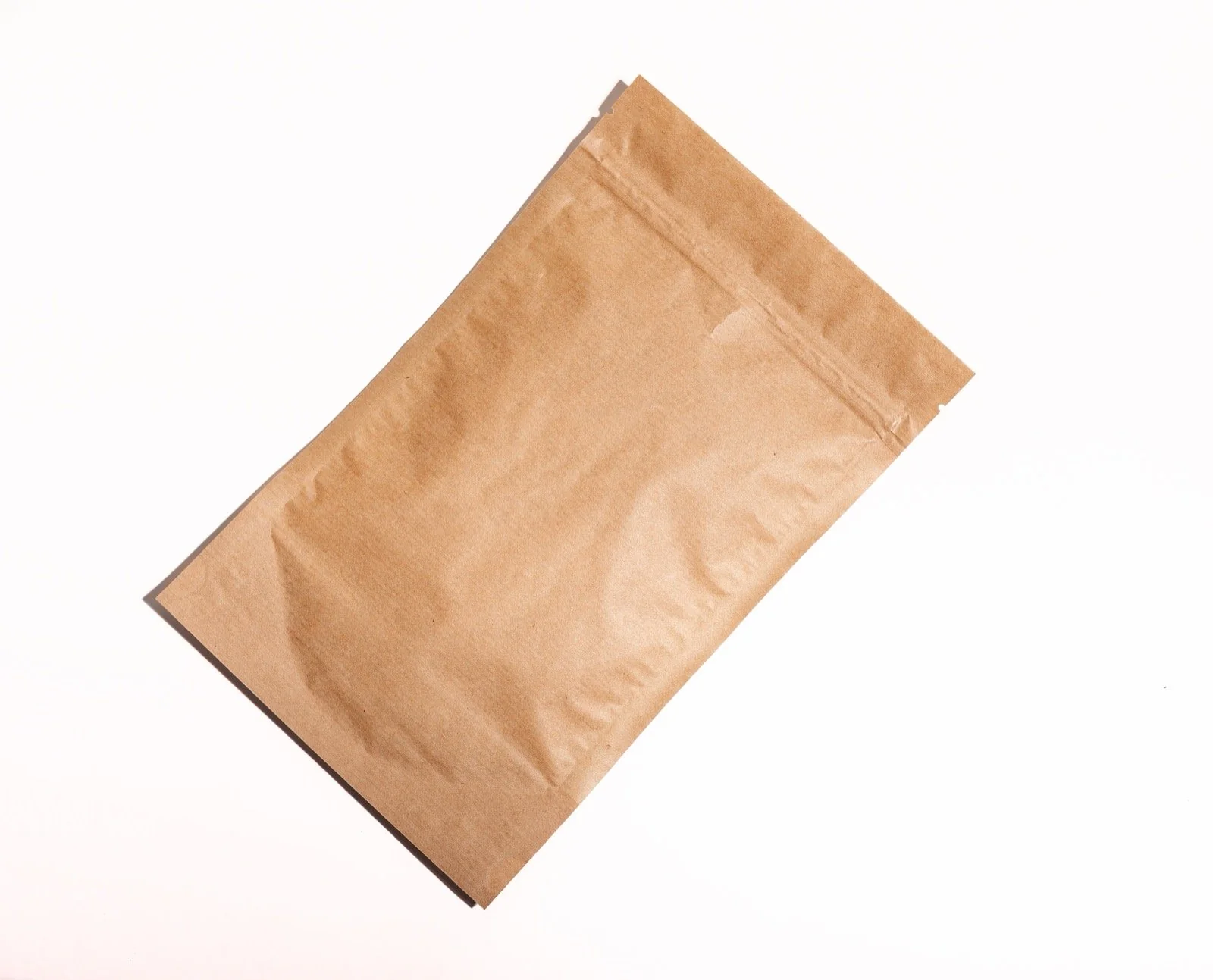
Powder packaging review
- Bulk packs versus portioned formats, matched to operating volume
- Moisture protection and reseal behavior after opening
- Private-label artwork readiness and an agreed approval owner
- Case configuration for distribution between locations
Scope
What a powder program does not include
No finished drinks
We do not sell prepared coffee, made-to-order beverages or bottled ready-to-drink products.
No finished frozen desserts
Finished ice cream, gelato and soft serve are outside the current offer.
No beans or equipment
We do not supply roasted coffee beans, brewing equipment or café machinery.
Considering syrup instead? Dosing, bottling and distribution are evaluated separately. See syrup ingredients or compare the two formats.
COMMON BUYER QUESTIONS
What Brands Ask Before Choosing Powder
Powder tends to raise a few recurring questions, especially from teams comparing manufacturing partners across different markets.
Scale and Manufacturing Capability
For a commercial powder project, manufacturing suitability is assessed against formula complexity, batch size, expected volume and the ability to repeat the approved specification across successive orders.
Where the MOQ Conversation Actually Starts
For private label powder MOQ Indonesia buyers, production quantities depend on formula, packaging, and project requirements. The 500 kg per flavor screen is a starting point for review, not a final quote, since packaging, documentation, and sourcing all shift the real workable quantity once a project moves into technical evaluation.
Specific Categories Like Matcha and Milk Tea
A matcha and milk tea powder supplier relationship works the same way as any other flavor direction here. Preparation method, target yield, and storage conditions still need defining upfront, since these details shape whether the final powder performs consistently once it reaches a branch counter.
Frequently Asked Question
How does a Malaysia cafe brand qualify for a private label powder supplier relationship?
A Malaysia cafe brand qualifies once it can support roughly 500 kg per powder flavor per production order, or show a credible near-term path to that volume. Brief & Branch then coordinates sampling through a project-approved Philippine manufacturing partner, with capability verified per project, before any recurring supply begins.
What categories does the bulk beverage powder manufacturer typically produce for Japan brands?
Production for Japan brands typically covers coffee-based, milk-based, chocolate and malt, or tea-based powder categories, each confirmed through technical review rather than a public catalogue. The exact flavor direction comes from the buyer’s own product brief, since Brief & Branch does not publish a fixed powder list.
Can a South Korea brand develop a fully custom powder formula rather than an existing one?
Yes, a South Korea brand can submit a new product brief for a fully custom powder, alongside the option of bringing an existing formula or an approved benchmark direction. Brief & Branch structures whichever route is chosen and coordinates development through its manufacturing partner ahead of sample review.
What is the minimum order quantity for a private label powder in Indonesia?
The general screening threshold is around 500 kg per powder flavor per production order for Indonesia projects, though this is a qualification benchmark rather than the final manufacturing MOQ. The confirmed quantity depends on formula complexity, packaging, and the buyer’s recurring forecast once technical review is complete.
Does the powder program work for a single commercial cafe or only large chains in Australia?
The program is built for established operators with recurring, commercial-scale demand — whether that comes from multiple locations or a single high-throughput site — rather than a single independent cafe placing a one-off order. Brief & Branch reviews branch count, forecast and packaging preference during fit assessment to confirm whether a given project meets that commercial-scale requirement.
Why do many multi-branch brands start their private label journey with powder rather than syrup?
Many brands start with powder because it stores at ambient temperature, ships more efficiently than liquid, and tends to have simpler packaging requirements across branches. Brief & Branch still reviews each buyer’s application and equipment before recommending powder, syrup, or a combination for a given menu item.
Which documentation comes with a matcha or milk tea powder once it reaches production?
Once approved, a matcha or milk tea powder is supported by a specification sheet, batch and traceability records, an agreed preparation standard, and label documentation confirmed during technical review. Core records are maintained, with the full documentation set confirmed for the product and destination, since it applies across every approved powder line.
Should a distributor request powder samples before confirming forecast volume?
Yes, sampling is expected to happen before a distributor commits to a forecast, since taste, preparation performance and cost per serving all need confirming first. Brief & Branch coordinates this sample stage after commercial fit review, so a distributor evaluates the actual product before any volume commitment is finalized.
Should a US distributor request powder samples before confirming forecast volume?
Yes, sampling is expected to happen before a US distributor commits to a forecast, since taste, preparation performance and cost per serving all need confirming first. Brief & Branch coordinates this sample stage after commercial fit review, so a distributor evaluates the actual product before any volume commitment is finalized.
Next Step
Assess a 500 kg-per-flavor powder project
Submit the operating footprint, current or evidence-backed near-term volume by powder flavor, recurring forecast, packaging and launch timing. Qualification does not guarantee technical feasibility or production acceptance.
Assess Commercial Fit